Best Non-Surgical Joint Care In Thane
Introduction
Joint pain can change your life in unexpected ways. It shows up during the simplest moments. Getting out of bed becomes slow. Climbing stairs feels heavier. Even long walks, workouts, or daily chores start to seem like tasks that require planning. Many people ignore these early signs because they believe joint pain is a normal part of getting older. Others take painkillers quietly, trying to push through the discomfort because they fear something bigger or more complicated.
But joint pain, whether it begins in the knees, shoulders, hips, or spine, is never something you have to accept. And more importantly, it doesn’t always require surgery.
Today, one of the fastest-growing and most reliable branches of orthopedic care focuses on natural, non-surgical treatments. These methods aim to heal the root cause of pain, improve joint function, protect the cartilage, and help people get back to a healthier, more active lifestyle without going through the stress of an operation.
In Thane, Dr. Saikat Jena is one of the leading orthopedic specialists offering advanced non-surgical treatment options. His approach focuses on identifying the real source of pain, understanding a patient’s lifestyle, assessing the severity of the condition, and creating a treatment plan that fits the patient’s comfort and long-term goals.
This blog explains everything you need to know about non-surgical joint care in Thane, written in simple, friendly language to help you make confident decisions about your health.
About Dr. Saikat Jena
Dr. Saikat Jena is known for his patient-centered, modern, and compassionate approach to orthopedic care. His experience in regenerative medicine and non-surgical joint restoration makes him one of the few specialists in Thane who focus on treating pain from the inside rather than forcing quick fixes.
Patients describe him as someone who listens without rushing, explains everything without confusing medical terms, and ensures the treatment plan aligns with the patient’s lifestyle and long-term comfort. He believes in empowering people to understand their body, their pain, and the science behind the treatments available to them.
At his clinic in Panch Pakhdi, he offers advanced non-surgical treatments, including regenerative therapies like PRP and stem cell therapy, personalized physiotherapy plans, lifestyle modifications, joint preservation protocols, and long-term mobility programs that help patients stay active without depending on medicine or surgery.
Understanding the Need for Non-Surgical Joint Care
The rise in joint pain is not limited to older adults. People in their 20s and 30s are experiencing knee aches from sitting long hours at work. Individuals in their 40s feel back pain because their posture has weakened over the years. Athletes of all ages face shoulder, ankle, or ligament injuries because of repetitive strain. And people in their 50s and 60s often deal with arthritis and cartilage wear that slowly worsens with time.
The biggest challenge is that most people start with temporary relief methods. They take painkillers, apply balms, use heating pads, or avoid certain movements. These steps help for a short time but don’t address the deeper problem.
Non-surgical joint care focuses on identifying the root cause. It helps restore strength, reduce inflammation, improve mobility, and protect joint health without cutting or replacing anything inside the body. It aligns deeply with the natural healing abilities of tissues and promotes long-term wellness.
Why Joint Pain Develops
Joint pain usually begins gradually. It may start with mild stiffness in the morning, an ache after long walks, or discomfort after sitting too long. Over time, cartilage wear, muscle weakness, poor posture, and minor injuries worsen the joint’s ability to function properly.
Sometimes, the joint becomes inflamed because of lifestyle factors like excess weight, repetitive stress, or even old injuries that were ignored. In some cases, early arthritis can develop silently without showing major symptoms.
Understanding the cause is the first step toward real recovery. Non-surgical joint care focuses on accurate diagnosis through clinical examination, imaging when required, and a detailed understanding of a patient’s daily routine.
How Non-Surgical Joint Care Helps
Non-surgical treatment focuses on restoring joint strength and flexibility while reducing pain naturally. Instead of forcing the body to adapt to a surgical implant, these methods support the joint’s original structure. They help improve cartilage health, enhance blood flow, reduce inflammation, and strengthen the surrounding muscles so that the joint can function better.
The aim is not just symptom relief but long-term protection. When a joint becomes stronger, stable, and healthier, the need for surgery often disappears. Patients regain mobility, confidence, and control over their lives.
Common Conditions Treated Without Surgery
Many joint problems can be successfully managed through non-surgical methods in the early and moderate stages. These include knee osteoarthritis, ligament injuries, shoulder impingement, rotator cuff pain, back and neck issues, early hip degeneration, sports injuries, cartilage wear, and joint stiffness caused by sedentary behavior.
People who work long hours at a desk often experience neck and lower back pain. Fitness enthusiasts face repetitive strain injuries. Older adults deal with chronic knee or hip pain. All of these can be managed effectively with non-surgical treatments when addressed at the right time.
Regenerative Medicine as a Major Alternative to Surgery
Regenerative medicine is one of the most important pillars of non-surgical joint care. It focuses on using the body’s natural healing cells to repair damaged tissues. This includes PRP therapy, stem cell therapy, and growth-factor-based treatments.
These treatments encourage the joint to heal internally, reduce inflammation, and restore structural integrity. Patients appreciate regenerative medicine because it is gentle, naturally aligned with the body’s biology, and involves minimal downtime.
Dr. Saikat is widely recognized for his expertise in regenerative orthopedics and has helped many patients avoid surgery by strengthening their joints through scientifically supported techniques.
PRP Therapy in Joint Preservation
PRP therapy involves using concentrated platelets from the patient’s own blood. These platelets contain growth factors that repair tissues and reduce inflammation. When injected into the joint, they support cartilage repair and long-term healing.
Patients often notice reduced pain, smoother movement, and improved function over the following weeks. PRP works well for knee pain, early arthritis, ligament injuries, shoulder conditions, and other chronic joint problems.
Stem Cell Therapy for Joint Repair
Stem cell therapy is another advanced non-surgical method. It uses healing cells that can transform into new tissues and support regeneration. This therapy is especially helpful for cartilage wear, early arthritis, stubborn ligament injuries, and sports-related damage.
The results build gradually over time, creating deeper and longer-lasting improvements because the treatment begins at the root level of the problem.
Physiotherapy and Strength Conditioning
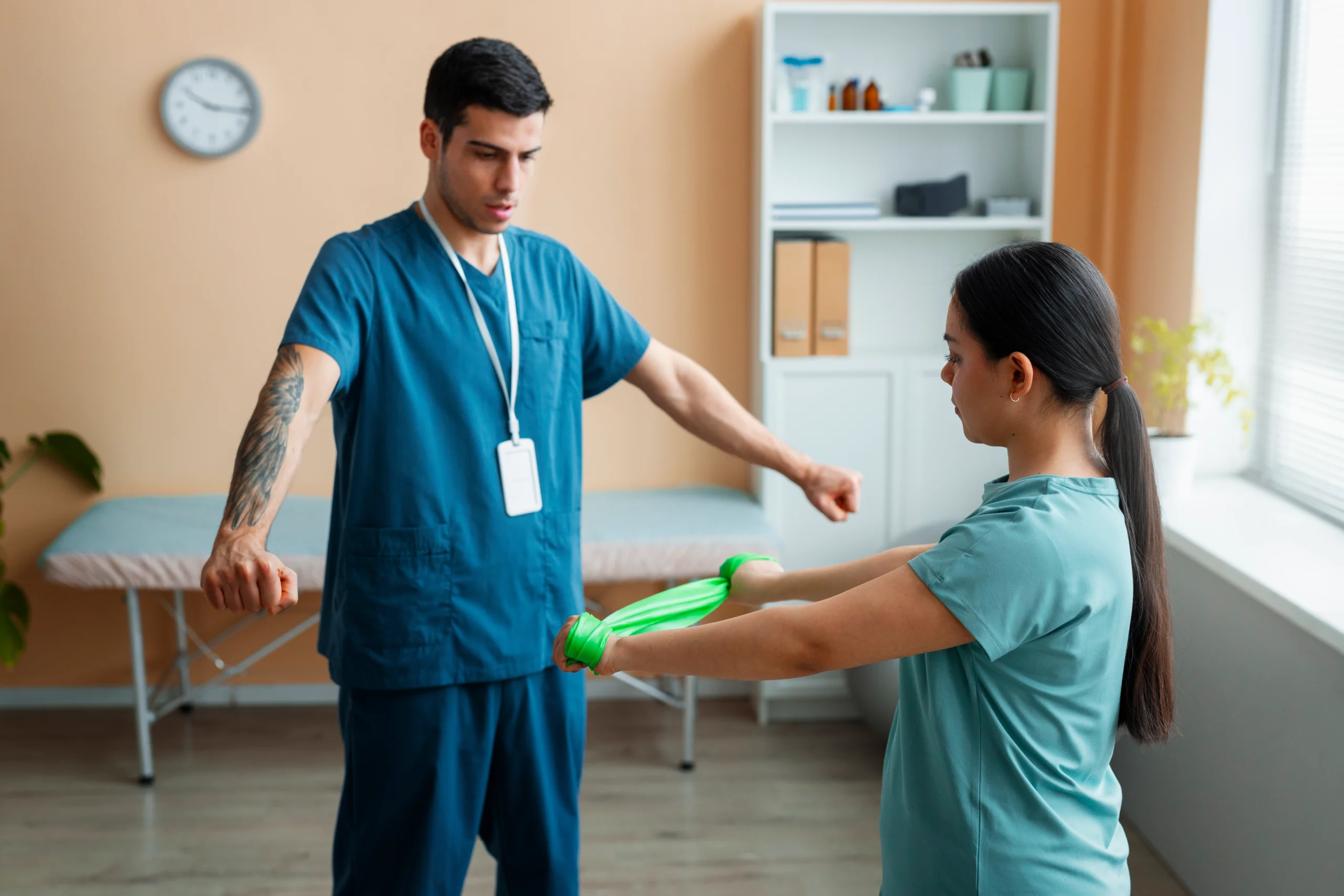
Strengthening the muscles around a joint is one of the most important ways to reduce pain. Weak muscles place more pressure on joints and accelerate damage. A customized physiotherapy program corrects this imbalance.
Patients often begin noticing improvements in posture, balance, flexibility, and movement comfort within weeks. Physiotherapy also prevents further degeneration by restoring proper alignment and movement patterns.
Lifestyle and Posture Correction
Modern life has increased the burden on joints. Long hours of sitting, lack of exercise, poor posture, and excess weight contribute significantly to joint pain. Non-surgical joint care includes lifestyle recommendations that help patients correct their daily habits.
Small changes like improving sitting posture, choosing the right footwear, adjusting workstations, managing body weight, and incorporating low-impact exercise can make a major difference in long-term recovery.
Nutrition for Joint Health
Food plays a meaningful role in joint health. A diet rich in anti-inflammatory foods, calcium, vitamin D, protein, and omega-3 fatty acids supports cartilage, bones, and soft tissues. Patients who maintain the right nutritional balance often experience better treatment outcomes and faster healing.
Dr. Saikat guides patients with simple and sustainable diet changes that complement their treatment plan without forcing strict or unrealistic routines.
Activity Modification Instead of Restriction
Patients often fear movement because they assume activity will worsen their pain. Non-surgical joint care does the opposite. It teaches patients how to move safely and confidently. Instead of avoiding movement, they learn the right kind of movement that strengthens joints without causing harm.
This includes walking routines, gentle stretching, supervised exercise, and strengthening tasks that gradually improve joint stability and comfort.
Emotional Impact of Joint Pain
Joint pain affects daily life, mood, sleep, and confidence. The constant discomfort becomes emotionally draining, especially for individuals who feel restricted or dependent. Addressing the emotional side of pain is as important as treating the physical aspect.
Dr. Saikat ensures that his consultations are patient-friendly, reassuring, and detailed. Many patients share that they feel lighter after understanding their condition clearly. This sense of clarity, combined with personalized treatment, brings confidence and hope.
Progress Tracking and Long-Term Joint Preservation
Non-surgical care does not stop after the pain reduces. It includes long-term maintenance to ensure that the joint stays healthy. Progress tracking allows the doctor to adjust treatments based on how the joint responds. Regular evaluations help prevent future complications.
Joint preservation is a major part of modern orthopedics. It aims to protect natural joints for as long as possible so that patients can lead active lives without worrying about surgery.
Myths About Non-Surgical Joint Care
Many people believe that only surgery can fix joint problems. This is not true for most early or moderate joint conditions. They also fear that non-surgical treatments take too long or that they are not effective enough. In reality, non-surgical methods have helped thousands of patients avoid surgery while improving their function and quality of life.
Another common myth is that rest is the best treatment for joint pain. While rest is important during flare-ups, long-term inactivity actually weakens joints further. Movement, strengthening, and regenerative care produce better outcomes.
When Surgery Becomes the Last Option
There are situations where surgery becomes necessary, especially in advanced stages of arthritis or severe joint damage. However, most patients can delay or avoid surgery for years with proper non-surgical care.
The goal of specialists like Dr. Saikat is to preserve the natural joint for as long as possible. Surgery is recommended only when non-surgical options can no longer provide meaningful relief.
Who Should Consider Non-Surgical Joint Care
Anyone experiencing persistent joint pain, stiffness, swelling, instability, or weakness should consider non-surgical treatment. It is especially suitable for people who want natural healing, wish to avoid long recovery time, or have busy lifestyles that do not allow hospitalization.
It is also ideal for athletes who want to return to activity safely, working professionals dealing with posture-related pain, and older adults who prefer minimally invasive treatments.
Why Choose Non-Surgical Care with Dr. Saikat Jena
Dr. Saikat’s approach is gentle, scientifically driven, and personalized. He does not believe in pushing patients toward surgery unnecessarily. His focus is always on understanding the root of the problem, choosing the treatment that fits the patient’s comfort, and creating a long-term plan that ensures lasting relief.
Patients appreciate his clarity, patience, and dedication to providing advanced regenerative care in a safe and supportive environment.
Conclusion
Joint pain does not have to control your life. With modern non-surgical treatments, it is possible to reduce pain, restore mobility, and protect your joints without going through surgery. Whether you are facing early arthritis, a sports injury, or discomfort from wear and tear, non-surgical joint care offers hope and long-term support.
With the right diagnosis and expert guidance, you can look forward to a future where movement feels natural and pain-free again. And in Thane, you have access to one of the leading specialists who can guide you through this journey with care and precision.
If you want to understand whether non-surgical joint care is right for you, you can consult Dr. Saikat Jena for a personalized evaluation.
Clinic Address: 102, Raghuanand CHS, opp. Aradhana Talkies, Bhakti Mandir, Panch Pakhdi, Thane West, Maharashtra 400602
Phone: +91 97699 58394
Website: ackitvortho.com
Frequently Asked Questions
Can non-surgical treatments really help joint pain?
Yes. Many patients experience meaningful relief through regenerative therapies, physiotherapy, and lifestyle correction. These methods address the root cause and improve joint health naturally.
How long does recovery take?
Recovery varies based on the condition. Some patients feel better within weeks, while deeper healing may take a few months.
Is physiotherapy enough for severe pain?
Physiotherapy plays a major role but is often combined with regenerative treatments for faster and deeper improvement.
Is PRP therapy safe?
Yes. It uses platelets from your own blood and is considered safe with minimal downtime.
Can non-surgical care help arthritis?
Yes. It helps reduce inflammation, protect cartilage, and slow down disease progression.
What if I delay treatment?
Delay may worsen joint wear and make recovery longer. Early treatment offers better long-term outcomes.
Is surgery avoidable?
In many cases, yes. Early and moderate conditions respond very well to non-surgical treatments.
How can I contact the clinic?
You can call +91 97699 58394 to schedule an appointment with Dr. Saikat.you can visit the clinic at 102, Raghuanand CHS, opp. Aradhana Talkies, Bhakti Mandir, Panch Pakhdi, Thane West, Maharashtra 400602